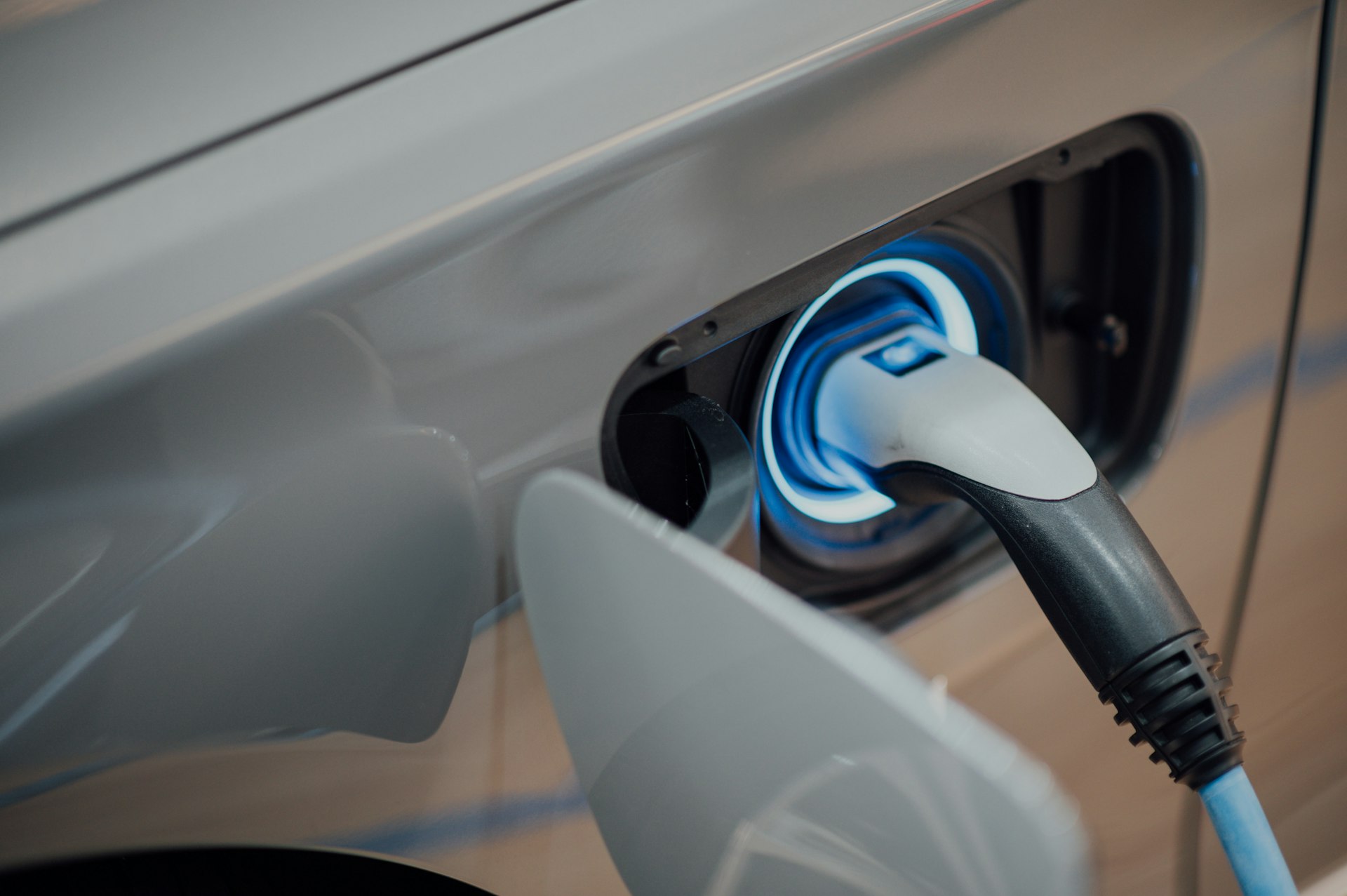

For many prospective EV owners, charging anxiety rivals range anxiety as a primary concern. The good news? With proper planning and the right equipment, charging an electric vehicle can actually be more convenient than visiting a gas station. This comprehensive guide will equip you with everything you need to know about keeping your EV powered up.
Understanding Charging Levels: The Foundation
Before diving into equipment recommendations, it's essential to understand the three levels of EV charging and what each means for your daily life.
Level 1: Standard Household Outlet (120V)
Level 1 charging uses a standard North American 120-volt household outlet—the same type that powers your phone charger or lamp. Every EV comes with a Level 1 charging cable, making it the most accessible option.
- Charging speed: 3-8 km of range per hour
- Best for: Plug-in hybrids, emergency backup charging
- Limitation: Too slow for most pure EV owners' daily needs
Level 2: Dedicated Home Charger (240V)
Level 2 charging uses 240-volt power—the same voltage as your clothes dryer or electric stove. This is the sweet spot for home charging, providing overnight full charges for most EVs.
- Charging speed: 20-100+ km of range per hour (depending on equipment)
- Best for: Daily home charging for all EV owners
- Investment: $300-800 for equipment plus installation
Level 3: DC Fast Charging
DC fast chargers bypass the vehicle's onboard charger to deliver power directly to the battery. These are the Tesla Superchargers, Electrify America stations, and other rapid charging networks.
- Charging speed: 150-500+ km in 20-40 minutes
- Best for: Road trips, emergency charging
- Note: Regular DC fast charging may accelerate battery degradation
Home Charging Solutions: Making the Right Choice
Home charging will account for 80-90% of your charging needs. Investing in the right setup pays dividends in convenience and cost savings.
Choosing a Home Charger
When selecting a Level 2 home charger, consider these key factors:
Installation Considerations
Professional installation is essential for safety and code compliance. Here's what to expect:
- Electrical panel assessment: Your electrician will evaluate whether your panel can handle the additional load. Some homes may need a panel upgrade.
- Circuit installation: A dedicated 240V circuit will be run from your panel to the charging location.
- Permit requirements: Most jurisdictions require permits for this type of electrical work.
- Typical cost: $500-2,000 depending on panel distance and any needed upgrades.
Money-Saving Tip
Many utilities offer rebates for EV charger installation and discounted electricity rates for overnight charging. Check with your local utility before purchasing equipment.
Navigating Public Charging Networks
The public charging landscape can feel fragmented, with multiple networks, varying payment systems, and inconsistent reliability. Here's how to make sense of it all.
Major Charging Networks
Tesla Supercharger Network: The gold standard for reliability and coverage. Now open to non-Tesla vehicles via adapter in many regions.
Electrify America: The largest open DC fast charging network in North America. Good coverage along major highways.
ChargePoint: Extensive Level 2 network with growing DC fast charging presence. Strong in urban areas and workplaces.
EVgo: Focus on DC fast charging in metropolitan areas. Good for urban EV owners without home charging.
Essential Apps to Download
- PlugShare: Community-driven database of all charging stations with real-time availability reports
- A Better Route Planner (ABRP): Essential for road trip planning with accurate range estimation
- Network-specific apps: ChargePoint, Electrify America, and EVgo each require their own apps for payment
Road Trip Planning Strategies
Long-distance travel in an EV requires a different mindset than gas-powered road trips. With proper planning, it can actually be more enjoyable—built-in breaks at interesting locations while your car charges.
Before Your Trip
- Map your route: Use A Better Route Planner to identify charging stops
- Have backup options: Always know alternative charging locations in case your primary choice is busy or malfunctioning
- Check for construction or closures: Navigation apps may not reflect recent changes
- Pre-condition your battery: Most EVs perform better at DC fast chargers when the battery is warm
Optimizing Charging Stops
DC fast charging follows a curve—it's fastest when the battery is between 10-80% and slows significantly above 80%. For maximum efficiency:
- Arrive at chargers with 10-20% battery remaining
- Charge to 60-80% unless you need more for the next leg
- Time your stops with meals or rest breaks
Cost Comparison Analysis
One of the most common questions about EV charging is cost. Here's a realistic breakdown:
Home Charging Costs
At the national average electricity rate of $0.13/kWh, charging a 75 kWh battery from empty costs approximately $9.75. If your EV achieves 4 km per kWh, that's about 300 km for under $10—roughly equivalent to $0.50/gallon gasoline.
Public Charging Costs
- Level 2 public: Often free at shopping centers; otherwise $1-3/hour
- DC fast charging: $0.30-0.45/kWh, making it 3-4x more expensive than home charging
- Tesla Supercharger: $0.25-0.40/kWh depending on location and time
Cost Savings Calculation
The average American drives 21,000 km/year. In an EV charging primarily at home, that's approximately $680/year in "fuel" costs vs. $2,100+ for a gasoline vehicle averaging 8.5 L/100km at current gas prices.
Final Thoughts
EV charging is simpler than it first appears. The key insight is that home charging fundamentally changes the refueling paradigm—instead of making dedicated trips to fill up, you simply plug in when you arrive home. For the 80-90% of driving that happens within daily range, charging becomes invisible.
Public charging fills the gaps for road trips and those without home charging access. While the network is still maturing, it's already more than adequate for most use cases. The key is preparation and flexibility.
Key Takeaways
- Level 2 home charging is the best solution for daily needs
- DC fast charging is best reserved for road trips
- Home charging costs roughly 1/3 of gasoline equivalent
- Use apps like PlugShare and ABRP for trip planning