
Buying your first car is one of life's major milestones—and one of the easiest places to make expensive mistakes. I've spent years helping young adults navigate this decision, watching some drive away with reliable transportation and others saddle themselves with debt and repair bills that follow them for years.
This guide isn't about finding the coolest car or the one that'll impress your friends. It's about making a smart financial decision that gives you reliable transportation while building positive financial habits. The car you drive at 20 doesn't define you—but the financial choices you make at 20 can affect your life for decades.
Let's approach this with clear eyes and practical priorities.
Mindset Shift
Your first car is a tool for transportation, not an investment or status symbol. The goal is reliable mobility at the lowest total cost. Every dollar saved on car expenses is money available for experiences, education, savings, or investments that actually grow.
Setting a Realistic Budget
Before looking at a single car, establish what you can actually afford. This means calculating total cost of ownership, not just the purchase price.
The True Cost Equation
Your monthly car expenses include far more than a car payment:
Car Payment/Savings
If financing or saving for purchase
Insurance
Often the largest cost for young drivers
Fuel
Based on your driving patterns
Maintenance
Oil, tires, brakes, repairs
Registration & Taxes
Varies by location
Parking
If applicable in your area
The 15% Rule
A conservative guideline: total transportation costs shouldn't exceed 15% of your take-home pay. For someone earning $3,000/month after taxes, that's $450 maximum for all car-related expenses.
Example Budget: $450/Month Total
| Car payment or savings | $200 |
| Insurance | $150 |
| Fuel | $60 |
| Maintenance fund | $30 |
| Registration (monthly equivalent) | $10 |
| Total | $450 |
Cash vs. Financing
If possible, buy your first car with cash:
- No interest payments eating into your budget
- Lower insurance requirements (no lender requiring comprehensive)
- Greater flexibility if circumstances change
- Builds discipline through saving
"The young adults I see succeed financially almost always started with a modest, paid-for car. Those who stretched for something nicer often struggle with payments while the car depreciates—the worst of both worlds."
�?Alex Rivera
Understanding Insurance Costs
Insurance is often the biggest shock for first-time car buyers—especially young drivers. Rates for drivers under 25 can be three to four times higher than for experienced drivers.
Why Young Driver Insurance Is Expensive
Insurance is priced on risk. Statistics show drivers under 25:
- Are involved in more accidents per mile driven
- Are more likely to engage in risky driving behaviors
- Have shorter driving history to demonstrate safe habits
Factors That Affect Your Rate
Vehicle Choice
Sports cars and high-performance vehicles cost significantly more to insure. A Honda Civic costs less than a Dodge Charger—sometimes hundreds per month less.
Safety Ratings
Vehicles with high crash test scores and advanced safety features often qualify for discounts.
Your Driving Record
Any tickets or accidents dramatically increase rates. One speeding ticket can raise premiums 20-30%.
Your Location
Urban areas with more traffic and theft cost more than rural areas.
Coverage Level
Higher deductibles mean lower premiums. If you can afford $1,000 out of pocket in an accident, choose a $1,000 deductible.
Discounts Available
Good student, defensive driving course, multiple policies, low mileage—ask about every discount.
Get Quotes Before You Buy
Always get insurance quotes on specific vehicles before purchasing. Two cars with identical prices can have insurance premiums differing by $100+/month.
Why Reliability Matters Most
For a first car, reliability trumps almost every other consideration. Here's why:
The Hidden Costs of Unreliable Cars
- Repair bills: A single major repair can cost more than months of payments
- Rental cars: When your car is in the shop, you still need transportation
- Lost wages: Car breakdowns mean missed work
- Towing costs: Breakdowns often happen at inconvenient locations
- Stress: Constantly worrying if your car will start is exhausting
Most Reliable Brands for Used Cars
Based on long-term reliability data and ownership costs:
Excellent Reliability
- Toyota: Legendary reliability, excellent resale value
- Honda: Very reliable, easy to find parts
- Mazda: Often overlooked, very dependable
Good Reliability
- Hyundai/Kia (2017+): Dramatically improved, great warranty
- Subaru: Reliable but check for head gasket issues in older models
- Nissan: Generally good, avoid CVT transmission issues
Use Caution
- American brands: Varies widely by model—research specific vehicles
- European luxury: Expensive parts and maintenance
- High-mileage turbos: Complex systems wear out
Safety Features to Prioritize
Young drivers face higher accident rates. Prioritizing safety features can literally save your life.
Essential Safety Features
Electronic Stability Control (ESC)
Mandatory since 2012. Helps prevent loss of control in turns and on slippery surfaces. The single most important safety technology after seatbelts.
Anti-Lock Brakes (ABS)
Standard on virtually all modern cars. Prevents wheel lockup during hard braking.
Multiple Airbags
Front, side, and curtain airbags provide comprehensive protection. At minimum, look for 6 airbags.
Automatic Emergency Braking
Becoming common in newer vehicles. Can prevent or reduce severity of front-end collisions.
Blind Spot Monitoring
Especially valuable for new drivers still developing spatial awareness.
Backup Camera
Required on all vehicles since 2018. Essential for parking safety.
Check Crash Test Ratings
Always check IIHS (Insurance Institute for Highway Safety) and NHTSA ratings for any vehicle you're considering. Look for:
- IIHS Top Safety Pick or Top Safety Pick+ ratings
- NHTSA 5-star overall rating
- Good performance in small overlap front crash test
New vs. Used Decision
For most first-time buyers, used cars make more financial sense. Here's the honest analysis:
The Case for Used
Used Car Advantages
- Lower purchase price: More car for your money
- Slower depreciation: The steepest value loss has already occurred
- Lower insurance: Older cars cost less to insure
- Established reliability data: You know what problems to expect
- Less stress about damage: A door ding isn't devastating
When New Makes Sense
New Car Advantages
- Full warranty: Repairs covered for years
- Latest safety tech: Advanced driver assistance standard
- Better financing rates: Sometimes 0% available
- Known history: No previous owner abuse
- When used prices are inflated: Gap may not justify used
The Sweet Spot: 2-4 Years Old
A car that's 2-4 years old with 30,000-50,000 km often offers the best value:
- Major depreciation (30-40%) has occurred
- Still has modern safety features
- May still have factory warranty remaining
- Maintenance history is available
- Plenty of service life remaining
Best First Car Choices
Based on reliability, safety, insurance costs, and total value, these are our top recommendations:
Under $15,000 (Used)
Toyota Corolla (2017-2020)
Why: Legendary reliability, excellent fuel economy, low insurance, boring but bulletproof
Price range: $12,000-$16,000
Honda Civic (2016-2020)
Why: Reliable, fun to drive, good resale, widely available parts and service
Price range: $13,000-$18,000
Mazda3 (2015-2019)
Why: More engaging to drive, excellent build quality, undervalued compared to Honda/Toyota
Price range: $11,000-$16,000
Hyundai Elantra (2018-2021)
Why: Great warranty if buying CPO, good features for price, improved reliability
Price range: $12,000-$17,000
Under $25,000 (New or Nearly New)
Toyota Corolla (New)
Why: Full warranty, Toyota Safety Sense standard, excellent long-term value
Price range: $22,000-$26,000
Mazda3 (New)
Why: Premium feel, excellent safety ratings, standard advanced safety tech
Price range: $24,000-$28,000
Kia Forte (New)
Why: Excellent warranty (5-year/100,000 km), feature-rich, competitive pricing
Price range: $21,000-$26,000
Budget Under $10,000
At this price point, prioritize mechanical condition over everything else:
- Toyota Corolla/Camry (2010-2015): High mileage tolerated, parts cheap
- Honda Civic/Accord (2008-2014): Same story as Toyota
- Mazda3 (2010-2014): More affordable than Honda/Toyota equivalents
- Hyundai Sonata (2015-2017): Value leader, improved quality
Critical at This Price
Always get a pre-purchase inspection from an independent mechanic. At $10,000 and under, you're likely buying higher-mileage vehicles where hidden problems are more common. A $100 inspection can save you from a $3,000 mistake.
Cars to Avoid
Some vehicles have historically poor reliability or disproportionately high ownership costs. First-time buyers should generally avoid:
Sports Cars
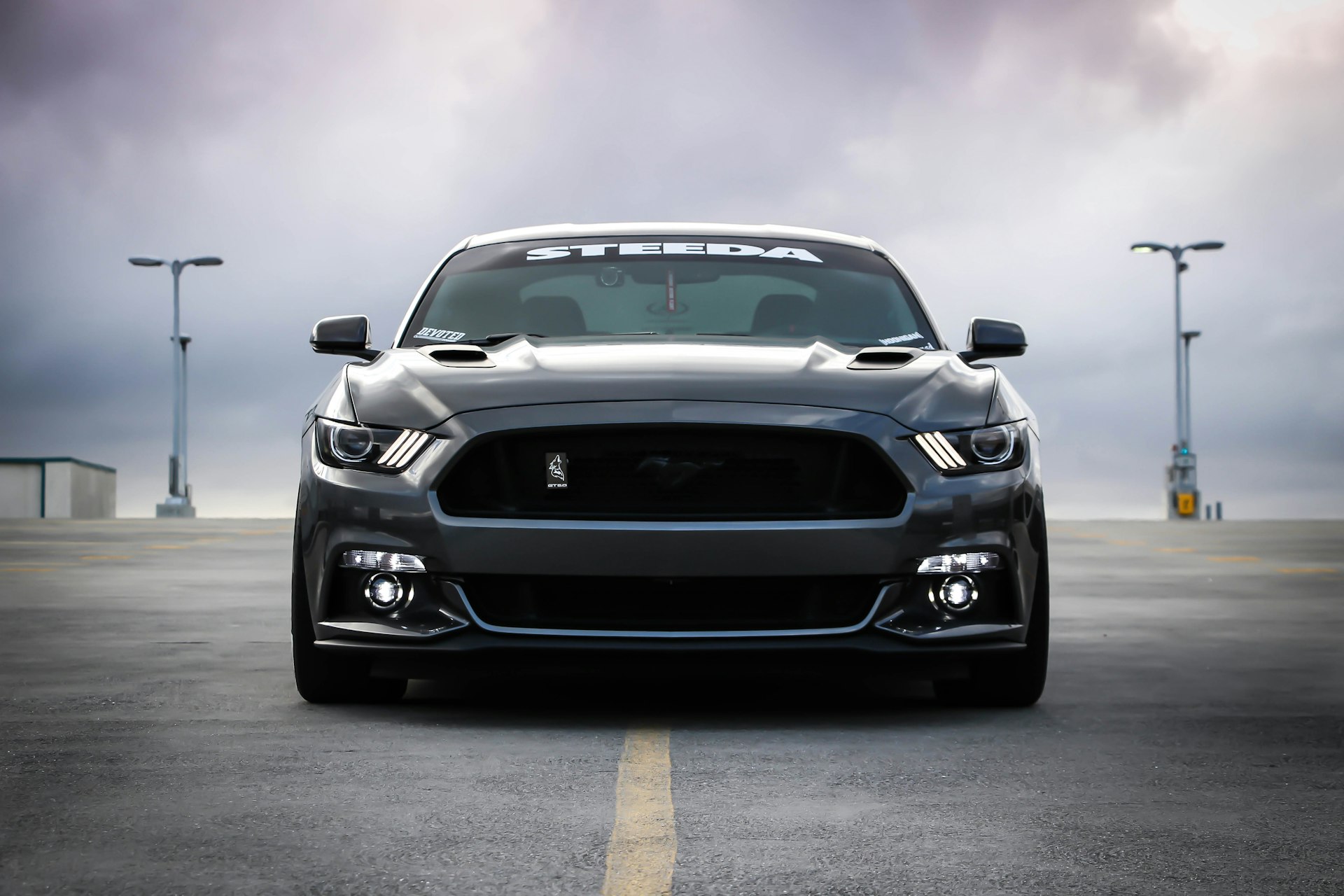
Insurance costs are brutal for young drivers. A V8 Mustang or Camaro can cost $300-500/month to insure.
Luxury Brands (Used)
BMWs and Mercedes depreciate fast but maintenance costs don't. That $15,000 used 3-Series still needs $800 brake jobs.
Nissan CVT Vehicles (Pre-2020)
The Jatco CVT transmission used in many Nissans has reliability issues. Replacement costs $3,000+.
Turbocharged Subcompacts
Complex powertrains in economy cars often mean expensive repairs when warranty expires.
Very Old Vehicles
Cars over 15 years old often lack important safety features like stability control and multiple airbags.
Salvage Title Vehicles
Hard to insure, uncertain repair quality, poor resale value. The savings aren't worth the risk.
Financing Your First Car
If you can't pay cash, understand how car loans work and how to get the best terms.
Understanding the Numbers
Interest Rate (APR)
The percentage you pay to borrow money. Lower is better. Young buyers with limited credit history often face higher rates (8-15%) compared to established buyers (4-7%).
Loan Term
How long you have to pay back the loan. Longer terms mean lower payments but more total interest paid. Never exceed 48 months for a used car or 60 months for new.
Down Payment
Money paid upfront. Larger down payments mean smaller loans, less interest, and lower monthly payments. Aim for at least 20%.
Building Credit for Better Rates
If you have limited credit history:
- Get a secured credit card: Use it responsibly for 6+ months before applying for car loans
- Consider a cosigner: A parent with good credit can help you qualify for better rates
- Get pre-approved: Credit unions often offer better rates than dealer financing
- Shop around: Multiple loan applications within 14 days count as one credit inquiry
The Total Cost Calculation
Example: $15,000 car at different terms and rates:
| Scenario | Monthly Payment | Total Interest | Total Paid |
|---|---|---|---|
| 6% / 36 months | $456 | $1,416 | $16,416 |
| 6% / 60 months | $290 | $2,400 | $17,400 |
| 12% / 60 months | $334 | $5,040 | $20,040 |
A high interest rate and long term can add thousands to your total cost. Fight for the best rate and shortest term you can afford.
Final Checklist
Before You Buy: Complete This Checklist
- �?Calculated total monthly budget including all costs
- �?Gotten insurance quotes on specific vehicles
- �?Checked reliability ratings for vehicle
- �?Verified crash test scores (IIHS/NHTSA)
- �?Run vehicle history report (Carfax or similar)
- �?Scheduled pre-purchase inspection
- �?Gotten pre-approved for financing (if not paying cash)
- �?Researched fair market price for specific vehicle
- �?Test driven the actual car you're buying
- �?Had someone experienced review the deal
The Final Word
Your first car is a stepping stone, not a destination. The smart choice now—a reliable, affordable, safe vehicle—gives you the foundation to make better choices later. You'll have money for experiences, savings, and eventually, the car you really want.
The friends driving flashy cars on payments they can't afford? In five years, they'll be underwater on depreciated vehicles while you've built savings and credit. Play the long game. Your future self will thank you.