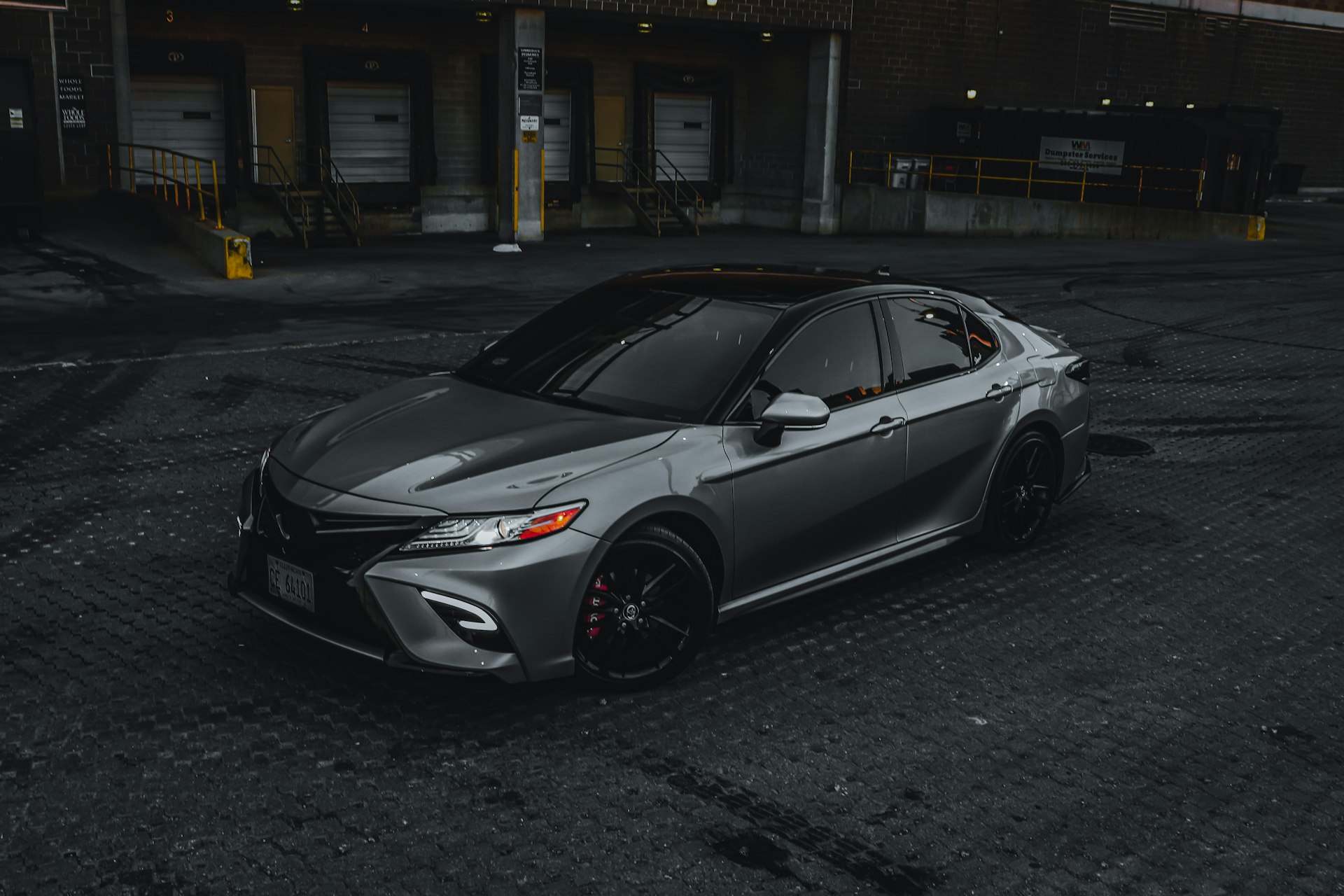

When we purchased our 2021 Toyota Camry XSE Hybrid in January 2021, we set a simple goal: drive it like a normal owner and document everything. Three years and 100,547 miles later, we have answers. How did Toyota's best-selling sedan hold up? Was the hybrid system worth the premium? Did anything break? Here's the complete report.
Why Long-Term Test a Camry?
In an industry obsessed with supercars and electric trucks, the humble Camry might seem boring. But it's America's best-selling car for a reason. Millions of people trust their daily transportation to this sedan. They deserve to know: does the reliability reputation hold up?
The Camry Hybrid specifically interests us because it represents Toyota's mass-market hybrid technology—the same basic system that powers the RAV4 Hybrid, Highlander Hybrid, and various Lexus models. If there are issues, millions of owners need to know.
Long-Term Test Philosophy
We don't baby our long-term test cars. This Camry was driven by multiple staff members, endured brutal Midwest winters, sat in traffic for countless hours, hauled cargo, and made several coast-to-coast trips. It lived a real life as a real daily driver. That's the only way to test true reliability.
The Test Vehicle
2021 Toyota Camry XSE Hybrid
We chose the XSE Hybrid specifically—the sportiest trim with the hybrid powertrain. The XSE adds sport-tuned suspension, 19-inch wheels, and more aggressive styling. We wanted to test whether the sport suspension aged well and whether the larger wheels affected ride quality over time.
Reliability Record: What Broke?
This is what everyone wants to know: did anything break? The answer is remarkably boring.
Unscheduled Repairs
0
Zero non-maintenance visits in 100,000 miles
Check Engine Lights
0
Never illuminated
Stranded Incidents
0
Never failed to start or complete a trip
Warranty Claims
1
Minor trim piece replacement (cosmetic only)
The One Warranty Visit
At 47,000 miles, we noticed a small interior trim piece near the driver's door handle had cracked. Toyota replaced it under warranty without question. Total time at dealer: 45 minutes. That's literally the only non-maintenance service this car has needed.
"In 25 years of long-term testing, this is among the most trouble-free vehicles we've ever run. The Camry Hybrid has been essentially flawless."
�?Imgglow Long-Term Fleet Manager
Complete Maintenance History
Here's every scheduled service visit and its cost, using Toyota dealership pricing:
- Oil and filter change (0W-16 synthetic)
- Multi-point inspection
- Tire rotation
- Oil and filter change
- Tire rotation
- Cabin air filter (recommended, performed)
- Oil and filter change
- Tire rotation
- Replace engine air filter
- Oil and filter change
- Tire rotation
- Brake fluid flush
- Transmission fluid inspection (no change needed)
- Oil and filter change
- New tires (Michelin Primacy MXM4 - 4 tires)
- Four-wheel alignment
- Oil and filter change
- Tire rotation
- Cabin air filter replacement
- Oil and filter change
- Transmission fluid change (per Toyota schedule)
- Spark plug inspection (replacement deferred to 100K)
- Brake pad measurement (7mm remaining, plenty of life)
- Oil and filter change
- New tires (same Michelin model)
- Four-wheel alignment
- Coolant flush (inverter and engine coolant)
- Oil and filter change
- Spark plug replacement (iridium)
- Drive belt inspection (wear normal, replacement deferred)
- 12V battery replacement (proactive, original still testing good)
- Complete hybrid system diagnostic
Total Maintenance Cost: $4,375
That's $0.0435 per mile for all scheduled maintenance over 100,000 miles.
Fuel Economy: The Hybrid Payoff
We tracked every fuel fill-up. The results validate Toyota's hybrid efficiency claims—and then some.
Fuel Economy Over Time
One concern with hybrid vehicles is whether fuel economy degrades as the battery ages. Our data shows negligible degradation:
That's less than 2% degradation over 100,000 miles—well within measurement variance and seasonal variation. The hybrid system is performing essentially as well as when new.
Fuel Cost Savings
Compared to the non-hybrid Camry (EPA 28 mpg combined), the hybrid saved approximately 1,412 gallons of fuel over 100,000 miles. At our average fuel price of $3.45/gallon, that's $4,871 in fuel savings—which more than covers the ~$2,000 hybrid premium.
Hybrid Battery Health at 100K
The hybrid battery is the biggest unknown for long-term ownership. At 100,000 miles, we had Toyota perform a comprehensive diagnostic.
Battery Diagnostic Results
Less than 3% degradation after 100,000 miles is exceptional. For context, Toyota's warranty covers hybrid batteries for 10 years/150,000 miles. Based on this degradation rate, the battery should easily outlast the warranty—and likely the car itself.
Why Toyota Hybrid Batteries Last
Toyota's hybrid system never fully charges or depletes the battery—it operates in the 40-80% range. This "shallow cycling" dramatically extends lithium-ion battery life compared to full charge/discharge cycles. It's conservative engineering that pays dividends in longevity.
Wear Items: Brakes, Tires, and More
Brake Wear (Exceptional)
Hybrid regenerative braking dramatically extends pad life. At 100,000 miles, the front brake pads still have 5mm remaining (new is typically 10-12mm). At this rate, the original pads could last 150,000+ miles.
Tire Wear (Normal)
We replaced tires twice: at 40,000 and 80,000 miles. The XSE's 19-inch wheels wear tires faster than smaller-wheeled trims. The Michelin Primacy MXM4 tires ($290 each installed) provided a good balance of comfort, grip, and longevity.
Other Wear Items
- Windshield wipers: Replaced 3 times (~$45 total)
- 12V battery: Proactively replaced at 100K (~$185)
- Cabin air filters: Replaced at 10K, 50K intervals (~$50 total)
- Engine air filter: Replaced at 20K, 60K (~$40 total)
Total Cost of Ownership: The Complete Picture
100,000-Mile Ownership Costs
| Purchase Price (MSRP) | $35,720 |
| Fuel (2,177 gallons @ $3.45 avg) | $7,511 |
| Maintenance (all scheduled service) | $4,375 |
| Repairs (unscheduled) | $0 |
| Insurance (36 months) | $4,320 |
| Registration & taxes (3 years) | $1,840 |
| Total Outlay | $53,766 |
| Estimated Current Value | -$18,500 |
| Net Cost (Depreciation + Operating) | $35,266 |
Cost per mile: $0.35
This includes depreciation, fuel, maintenance, insurance, and registration. The industry average for a midsize sedan is approximately $0.50-0.60 per mile.
What Aged Well—and What Didn't
Aged Excellently
Powertrain
The 2.5L engine and hybrid system feel as smooth and responsive as day one. No new noises, no vibrations, no performance degradation. Toyota's hybrid tech is mature and bulletproof.
Interior Quality
SofTex seats show minimal wear despite 100K miles of use. No squeaks, no rattles, no looseness in the dashboard or trim pieces (except the one replaced under warranty).
Paint and Body
The Midnight Black Metallic paint holds up well with proper care. No clear coat failure, no significant fading. A few rock chips, but that's expected.
Safety Systems
Toyota Safety Sense 2.5 continues to function flawlessly. Adaptive cruise, lane keeping, pre-collision warning—all work exactly as they did new.
Aged Less Well
Infotainment System
Toyota's infotainment was never class-leading, and it feels increasingly dated. No Apple CarPlay updates in years, the interface is slow, and competitors have leapfrogged. This is where we'd most want improvement.
XSE Suspension
The sport-tuned suspension was stiff when new; it's still stiff. Over rough roads, we occasionally wish for the softer LE or SE setup. Personal preference, but worth noting.
Headlight Brightness
The LED headlights seem slightly dimmer than new, though still adequate. May be perception or gradual degradation. Not a safety concern but noticeable.
The 100,000-Mile Verdict
After three years and 100,547 miles, the Toyota Camry Hybrid has proven everything we expected—and surprised us in a few areas.
Long-Term Rating
Toyota's reputation is earned. The Camry Hybrid delivered exceptional reliability, impressive fuel economy, and low operating costs over 100,000 miles of real-world use.
Who Should Buy One?
- High-mileage drivers who prioritize reliability and fuel efficiency
- Families wanting a practical, spacious, and dependable sedan
- Anyone concerned about long-term ownership costs
- Buyers who keep cars for 150,000+ miles
- Those who value peace of mind over excitement
Who Might Look Elsewhere?
- Enthusiasts seeking driving engagement (consider Accord or Mazda6)
- Tech-focused buyers (infotainment is weak)
- Those wanting the latest driver assistance features
- Style-conscious buyers (Camry design is conservative)
Key Takeaways
- Zero unscheduled repairs in 100,000 miles—genuinely exceptional reliability
- 46.2 mpg lifetime average exceeds EPA estimates
- Hybrid battery retains 97%+ capacity after 100K
- Total cost of ownership: $0.35/mile including depreciation
- Original brake pads still have 50%+ life remaining
- $4,375 total maintenance cost over 100K miles
- The boring choice is sometimes the right choice
Final Thoughts
The Camry Hybrid won't set your heart racing. It won't impress your neighbors. It won't appear in car enthusiast forums debating its virtues. But it will start every morning, sip fuel instead of gulping it, require minimal maintenance, and likely run past 200,000 miles without drama.
In a world of over-engineered complexity and subscription-gated features, there's something deeply satisfying about a car that just works. The Camry Hybrid does exactly what it promises, for exactly as long as you'd hope. Toyota's reputation isn't marketing—it's reality.